Unmoored Belonging: A Black Diasporic Approach to Historical Inquiry

Someone recently summarized my practice to me as "stories of place". They're not wrong. I was just surprised to hear it simplified so neatly. By happenstance, I've been writing this as I pack up my apartment during eclipse season, unsure of where I'll settle next. I'm still arriving to the words for how place and absence have shaped my approach to archival inquiry over the years. Self-discovery sure can lead ya in circles, but here was affirmation from someone who followed my work through all its different mediums and naturally felt called home. Thank you for taking care to notice, Keko.
PML's process blog and programs are made possible by readers like you. Most of our posts intentionally exist on the free side of web paywalls. To receive new posts and support our work, please consider becoming a free or paid subscriber.
"Black experience in any major city or town in America is a haunting. One enters a room and history follows; one enters a room and history preceeds. History is already seated in the empty room when one arrives. Where one stands in a society seems always related to this historical experience. Where one can be observed is relative to that history. All human effort seems to emanate from this door. How do I know this? Only by self-observation, only by looking. Only by feeling. Only by being a part, sitting in the room with history."
– Dionne Brand, A Map to the Door of No Return (currently reading)
Starting here 📍 wait – where is here anyway?
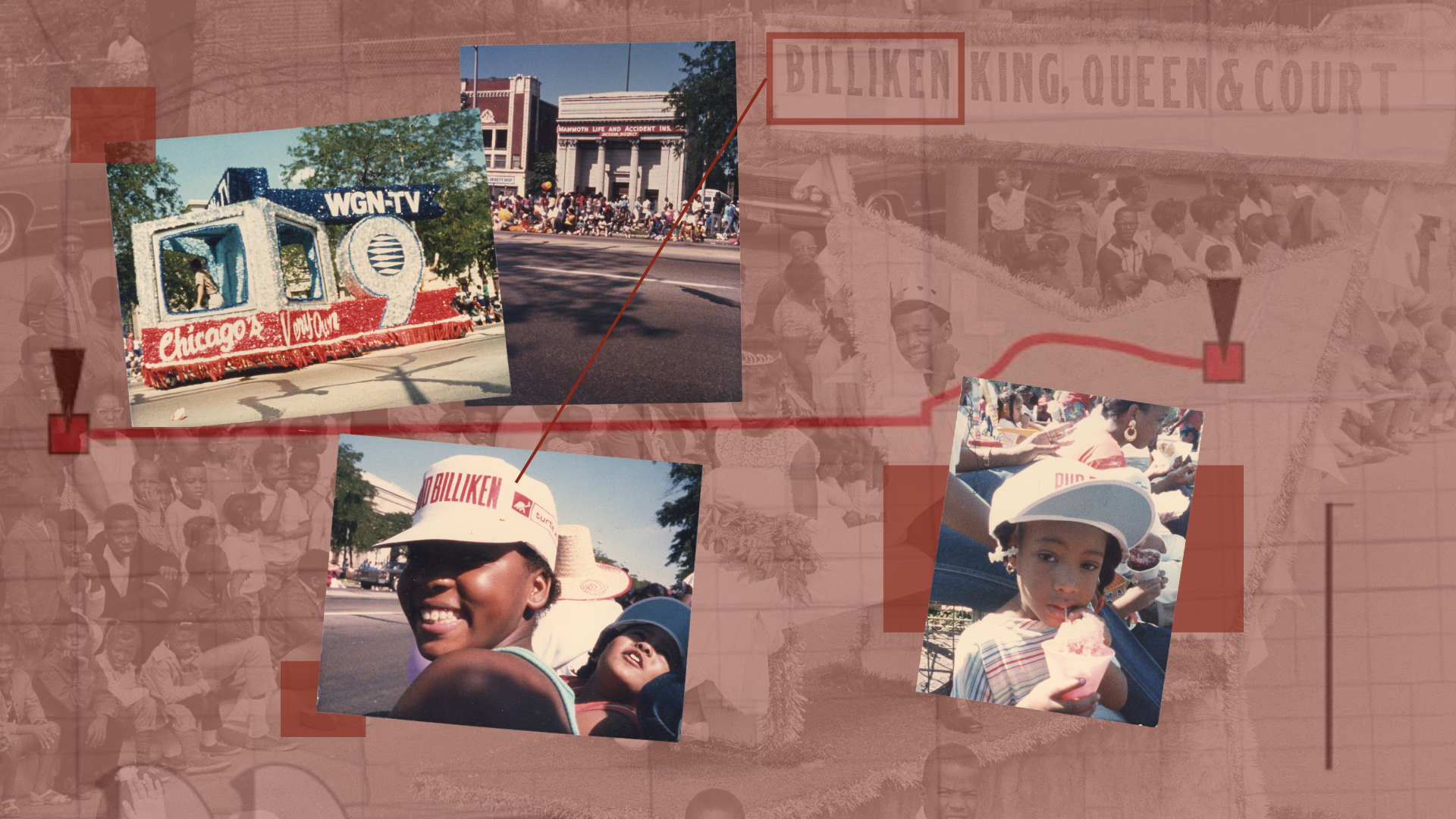
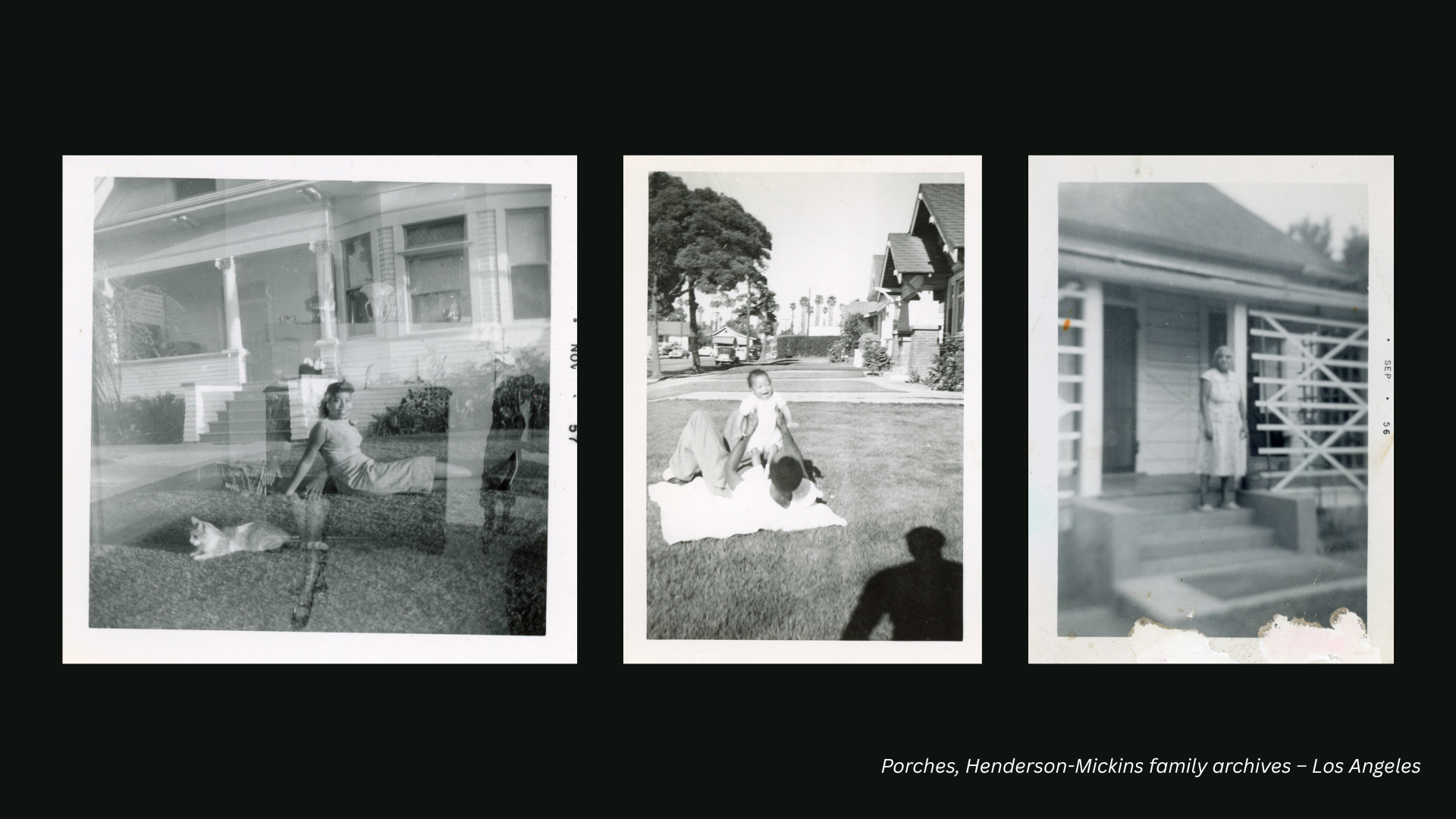
Place is often the first context I seek when investigating archival collections or inherited stories. So much information is embedded in the "where". Even if a photo has no date or names scribbled on the back, there may be other visual clues to help identify the region, city, or neighborhood where the photo was taken. Those clues could come in many forms: distinctive local architecture on the porch of a pictured family home, mention of a regional event that's known to happen annually, or the familiar young face of an elder relative seen in a place you don't yet recognize. I'm looking for any cultural or personal context that can lend a sense of direction. If I can figure out where, I'm that much closer to knowing who or when.
Gaining a sense of place also helps take some pressure off the "why" of choices made in the progression of our ancestors' lived experiences and stories. We are living the why. We are what survived the joys and tragedies of their time. No matter how tempting it may be to gain knowledge of the past and ask what could have been different for them now, the retrospective benefit is either grace for the dead or foresight for the living. An affirmation of our humanity either way.
I think it's only natural, as children of diaspora, that we would seek to understand ourselves and our family's history through movement and migration. If someone asks where you're from, does the conversation end once you list the area you currently reside in? Probably not. The answer to this question doesn't necessarily start or end with you. Asking where somebody's from is generally more of an inquiry about their lineage and cultural relationship to a place. In certain contexts, this question might also be a slick segue to bigoted statements or a prompt to check your colors if you're out here looking pressible in LA, but knowing where you come from is a matter of dignity that travels with you.
Supportive Reading: A Map to the Door of No Return (2001)
I know I am not alone in my desire for a dignified homeplace or the memories of being without one for much of recorded history. Keeping the collective pulse, my sweet-homie-comrades at Black Lantern Books introduced me to the writing of Caribbean-Canadian poet and essayist Dionne Brand. Her writing takes witness in daily life to draw global connections across time. In 'A Map to the Door of No Return' Brand illustrates how the origins of Black diasporic life are more commonly traced back to events rather than places – like the inciting event of slavery.
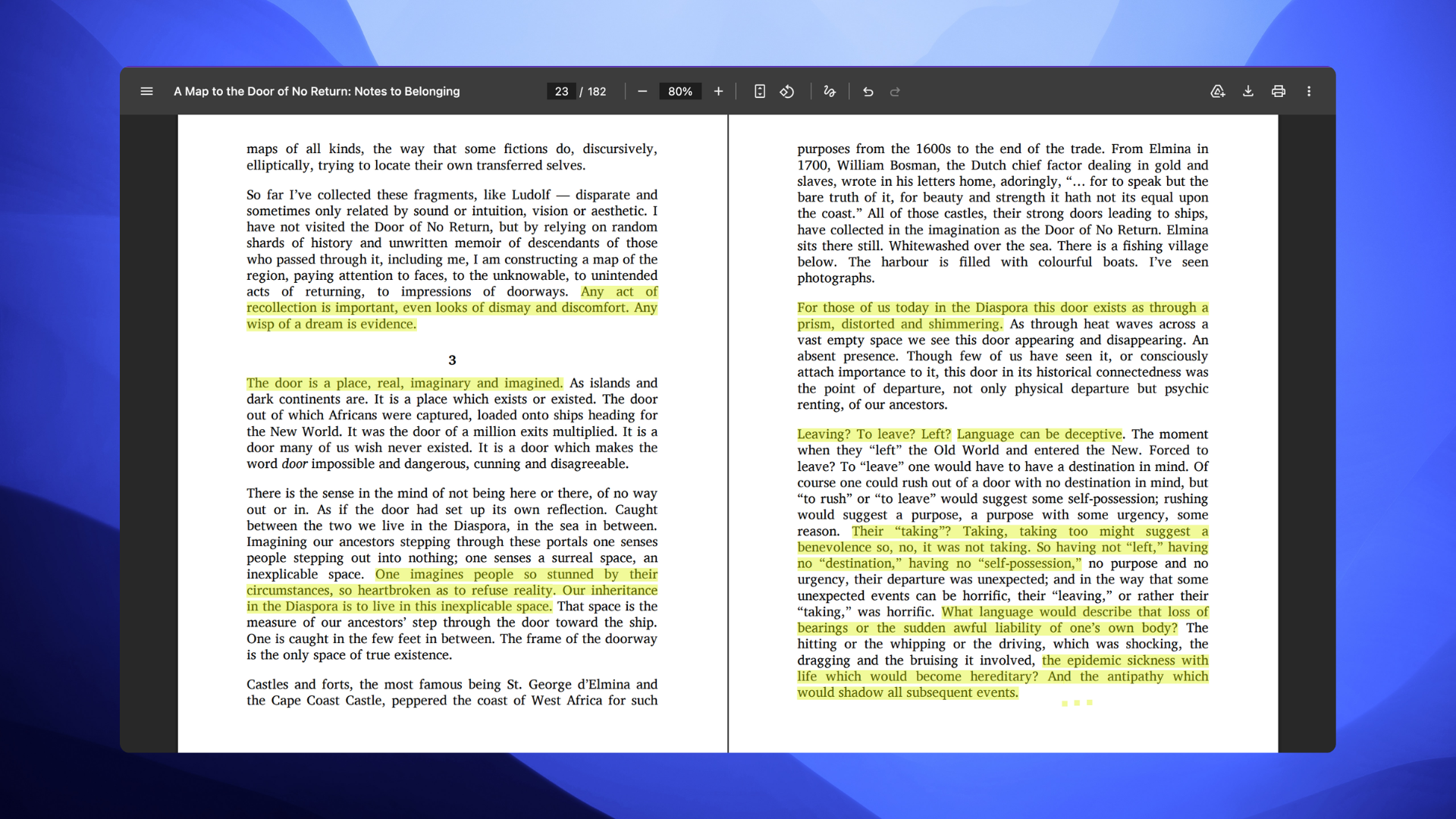
“The door is a place, real, imaginary, and imagined.” — Dionne Brand, A Map to the Door of No Return: Notes to Belonging (pdf linked)
The "transferrance of selves," as Brand describes slavery, is a violence that continues as the foundation for global capitalism, hereditary distortions, and the faulty language we use to describe our sense of place in the world. The term migration may never get close enough to the truth of it. We are not a lost people. We are people whose ability to return to our native places, or ways of being, has been obscured by those whose fictional identities depend on our dispossession. The 'door of no return' then represents a threshold of (Black diasporic) consciousness between the unknowable, but lingering past and a future that can only be as good as our ability to conceive of progress.
It is a frightening thing to exist between worlds, but this is also where we get to experience the most truthful versions of ourselves. If you want to develop an archival practice that is not reliant on the same disorienting narratives, get comfortable in this doorway. Sometimes it's good to linger in the frame and overhear what's being said in both rooms/realms. Try not to write off the impulses you can't explain. As a descendant of forced and great migration, I am learning to triangulate a fuller image of self and lineage between what is real, fictional, and fabulated. The whole story is somewhere scattered across these sources.
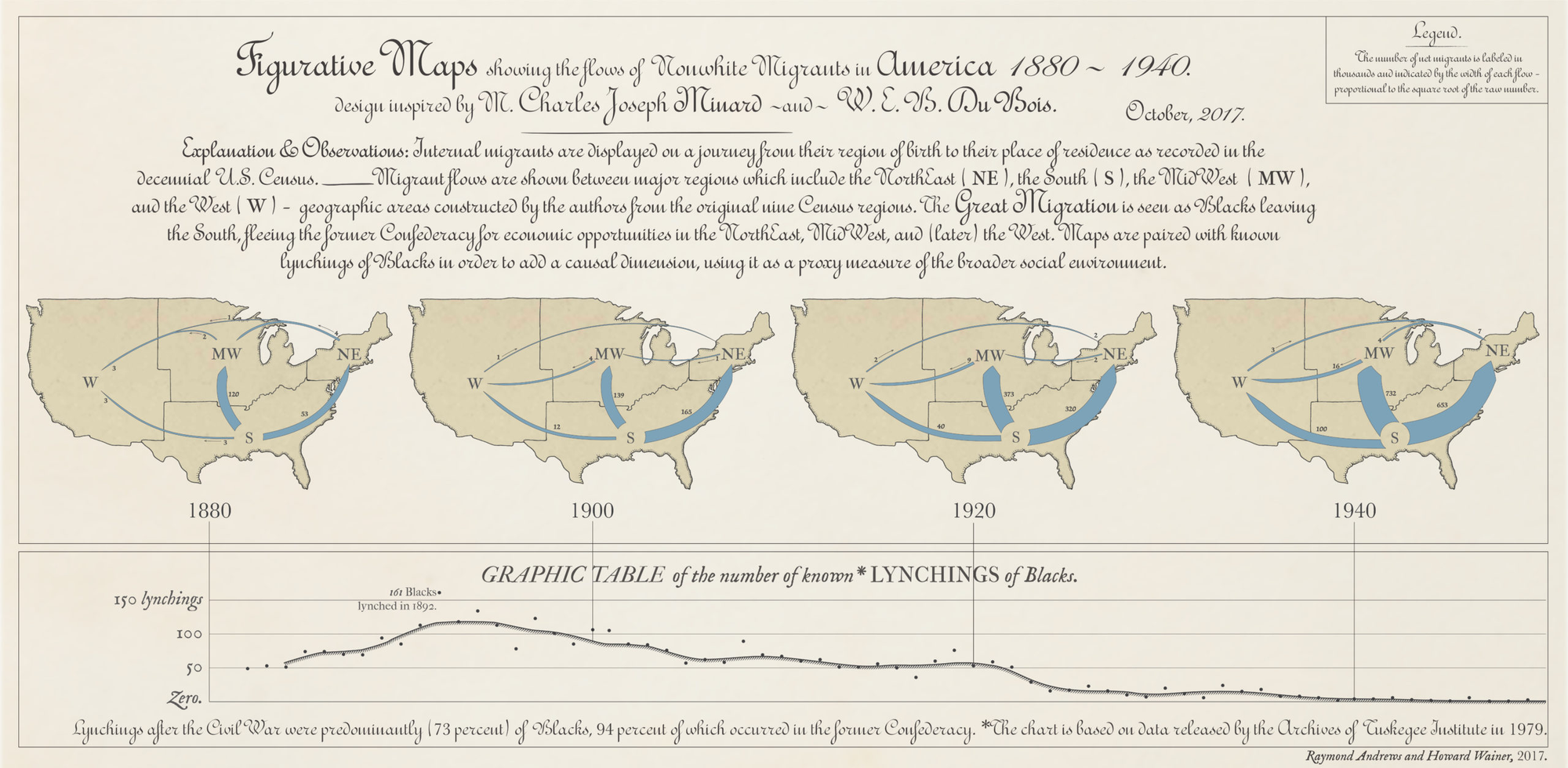
Wayfinding in the modern world
I'm still in between. The traceable generations of my family have known roots in Georgia, Florida, and Texas before making homes in Chicago and California. Some of the photo albums and letters I've inherited have traveled a long way. My understanding of self is not always so far-reaching. Personally, I am still learning how a bicoastal upbringing between Los Angeles and Atlanta affects my ability to be truly at home in either place. Was carried nearly to term in Georgia, but born in California, only to move back and forth into my adulthood. Sometimes I feel too culturally Southern to only claim LA and too distinctly Californian to live peacefully in the South. It's easier to just tell people I'm from here – wherever that is.
Even so, I'm grateful that every place my lineage has called home remains a part of my nature. If not for the cultural fluency to navigate Southern ways, I might have an entirely different relationship with my elders (and their archives), who traveled to the West Coast on the tail end of the Great Migration. If not for the members of my family who stayed in the South, I might have an even greater ache for a more distant home. And what would Los Angeles be if not for the vibrancy of Black life and migration? I shudder at the thought. Each time I toggle between different cities, I notice the kinship between them.
Despite their distinctive histories, most major American cities have converged into the same existential timeline. Y'know, where public quality of life, education, and infrastructure are deprioritized to maximize profit that will likely be reinvested in the destruction of the natural world. I associate both of my hometowns with their infinite possibilities for connection and the cyclical realities of displacement.
We are not only contending with the romanticized memories of ancestral homes lost to violence. These inherited memories of displacement are not even far off in my family. Housing stability and a secure sense of place mark the difference in who got to grow old, how their character was understood in life, or how they will be remembered as ancestors. The displacement events of our time will likely characterize life for future generations, just as we trace ourselves back to moments of transition today. Landscapes are bound to change, houses often lost, maps redrawn, travel restricted. Consider place to be a container of shared circumstance that outlives the individual and our temporal markers.
Rather than any physical marker of place, I need my sense of home to be built upon something lasting. A foundation that travels with me.
To be of a place
I am preparing to leave this city partly of my own volition, though it feels increasingly like a matter of circumstance. This has been true of nearly all my moves in recent years. Sure, I am building a metaphorical home within myself to survive these changes, but there may be no greater refuge than the bonds of community. Know this before you internalize housing instability as a personal failure or hold your grief in isolation. Before you leave.
To be in community is to identify the mutuality in every need. It is to expand the sense of self to include the wellbeing of another because the degree of separation between us is smaller than you may think. Get familiar with how the people around you are conditioned to think and behave because a part of you is being decided there too.
Learning to be of a place expands our radius for care and understanding. The more you can identify with the folks in your neighborhood, the easier it gets to relate with people in unfamiliar places or times. Connecting with distant histories relies on this same ability to see kinship even where there's not closeness.
Mind you – them folks in the photo albums are mostly strangers to me too! Once I get past the rose-tinted nostalgia of it all, these archives are full of people I may never know by name. Yet I recognize something in them because I've witnessed it in myself. I've seen it in the gleam of my elders' eyes or in the subtle gestures of workers who do not share my mother tongue. Belonging shows up not only in grief, but in the universal impulses to celebrate, dance, laugh, shout, cry. The feeling of home is as generative as one's ability to see their own humanity reflected in passing moments. An archival rehoming, then, takes these once isolated experiences and returns them to the world by virtue of curiosity.
I wish I had something more definitive to leave you with, but that's as far as I've gotten. Still moving through the rest. Hope this message finds you well on your way.
Member discussion